
Activism to reshape workplaces to be fairer, safer, and more inclusive
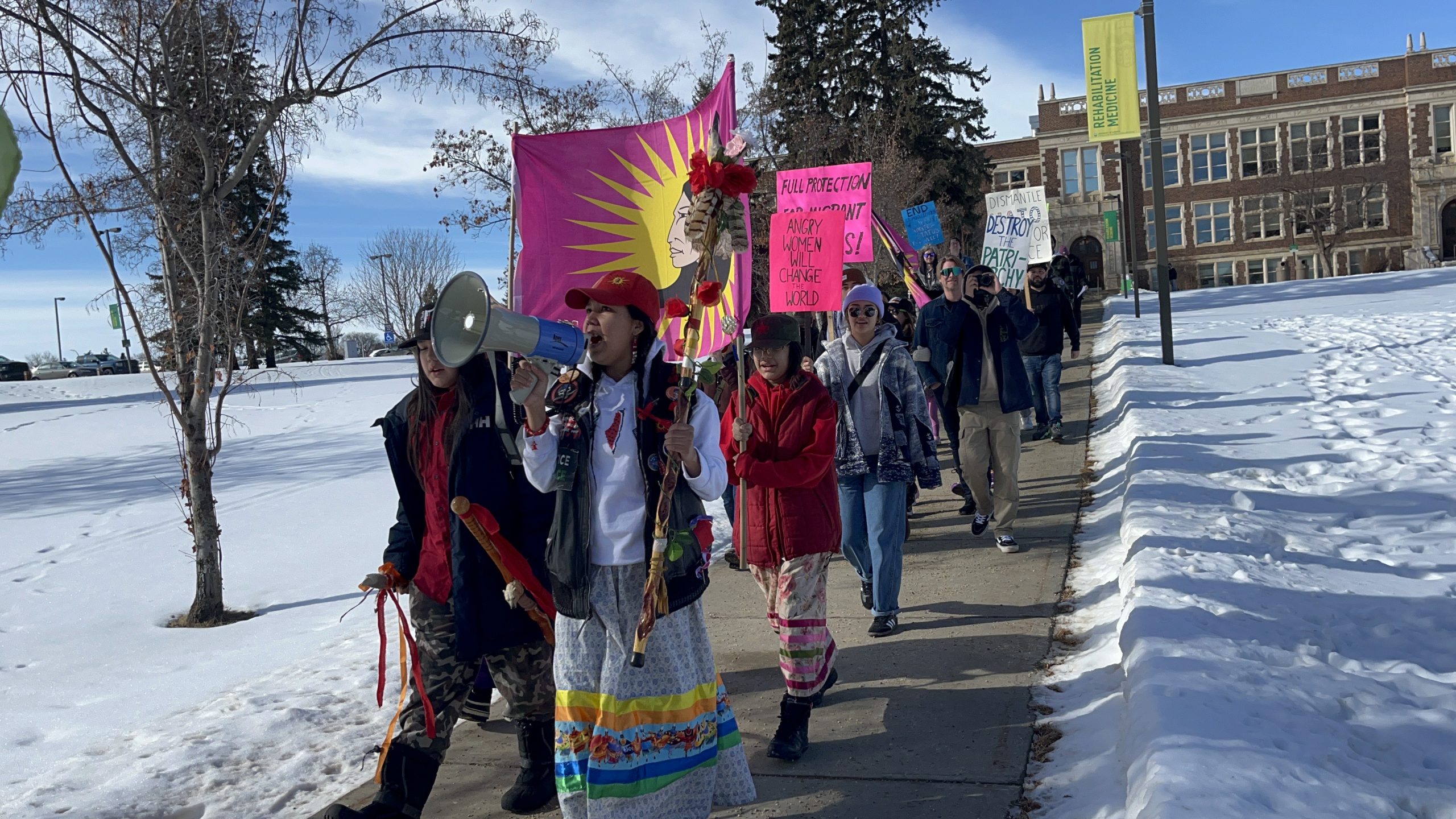
Across Alberta, on construction sites and in hospital rooms, women are advocating, organizing, and reshaping workplaces to be fairer, safer, and more inclusive. International Women’s Day (March 8) is a moment to honour the diversity, leadership, and resilience of women. Here we feature women whose struggles were not only against sexism in Canadian society, but also racism, and, for some, hostility to immigrants.
On International Women’s Day, we celebrate the journeys and voices of Beryl L. Scott, Cecile Sangster-Locker, Cynthia Palmaria, and Doreen Wabasca, echoing the importance in the labour movement of activism in support of individuals facing vulnerabilities because of intersecting oppressions. Their stories serve as a reminder that women’s leadership is central to shaping a world where every worker has dignity, rights, and status. When we understand each other’s stories, we can stand together to organize–across borders, communities, and sectors–for a future rooted in solidarity.
Beryl L. Scott and Cecile Sangster-Locker
Throughout their long nursing careers, Beryl L. Scott and Cecile Sangster-Locker were strong and determined activists and advocates for wages and working conditions that recognize the importance, training, and skills of their profession and for equity and anti-racism.
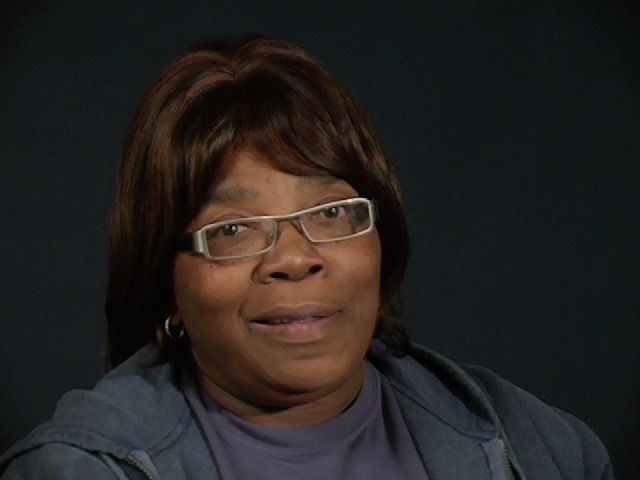
Beryl L. Scott was born in Jamaica, trained in England as a nurse and midwife, and came to Canada to stay after visiting family here. She worked for one year in Ontario, then moved to Alberta in 1980. Most of her work was at the Grey Nuns Hospital in Edmonton. She became involved with United Nurses of Alberta (UNA) right away, and over the years she participated in the series of strikes that achieved fairer wages and working conditions for nurses, including the introduction of a mechanism to raise professional responsibility concerns related to patient care and safety. These strikes were instrumental in addressing the undervaluation of the nursing profession, significantly based on gender.
Her experiences in Canada with racism started on her arrival in Toronto, when the immigration officer had written on the information sheet that she was a “nursing attendant.” “To me that was racism,” noted Beryl in her ALHI interview. She told the immigration officer that she was a registered nurse, with four degrees, then noting “I’m somebody that doesn’t put up with nonsense … and I called them on it. So they had to redo all my papers.” In her work, Beryl had other experiences with racism, including from a unit manager, from some doctors, and from some patients and patient family members. Beryl’s activism was particularly focused, both at UNA and at the Alberta Federation of Labour, in organizing caucuses for workers of colour, including Indigenous workers. Until her retirement, Beryl was active on the UNA executive board and in several roles in her UNA local.
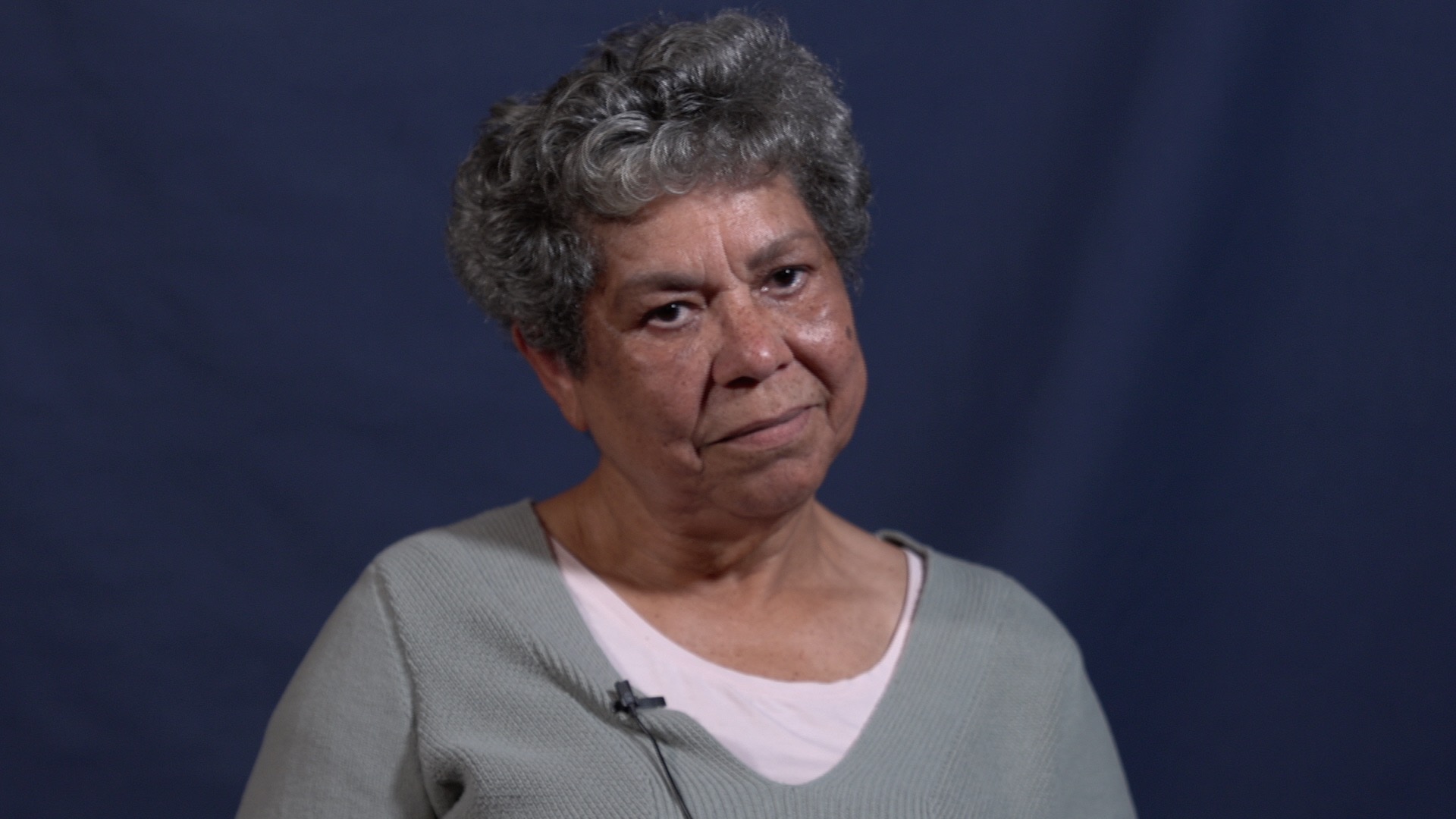
Cecile Sangster-Locker was a union activist who played important roles in nursing strikes and advocacy to achieve fairer wages, working conditions, and protection of patient care and safety. Born in Jamaica, she studied to become a Registered Nurse and a midwife in Britain, and came to Canada in 1967. She worked in Ontario and then in Calgary, moving to a decades-long career at the Grey Nuns Hospital in Edmonton.
In her ALHI interview, Cecile described the extremely low wages for Registered Nurses in the late 1970s. “I was a senior nurse, $6.95 an hour,” she said, noting that two weeks’ wages couldn’t even pay for rent of an apartment, and that people working at Safeway at the time were making more than a registered nurse. Strikes by nurses in 1977, 1980, 1982, and 1988 achieved significant improvements in wages and other contract provisions. Before the 1988 strike, employers, directed by the government, demanded wage and benefit rollbacks, refusing to discuss nurses’ demands for improvements in safety, patient care, and professional responsibility. UNA defied an order prohibiting a strike vote, held a vote, and went on strike. Cecile was on the picket line, with her young son. “They were so highhanded they thought they could run over us,” Cecile said in her interview. “They found out the hard way: don’t mess with women.”
Cecile advocated relentlessly on patient care and safety issues, including staffing shortages and cutbacks, and implementing Professional Responsibility Committees. For example, at a hospital where she worked in Calgary, she raised the urgent concern over nurses being pulled off their units and sent to other areas, with which they were unfamiliar, to deal with short-staffing. Her advocacy succeeded in stopping that practice and in making sure that floors always had a nurse experienced in that discipline.
Cecile experienced racial discrimination from patients and family members of patients. When she was working in Calgary, a patient came to the hospital obstetrics and delivery unit. Cecile was in charge and sent one of the nurses, a person of colour, to admit the patient. The patient did not want a person of colour to look after her. That weekend, all the staff in the unit – nurses, obstetrician, and pediatrician – were people of colour. The husband, who apologized, succeeded in calming the patient. In another situation, it was the patient’s husband who wanted a different nurse, and the patient was very embarrassed. Cecile noted that fortunately for her, the experiences were few and far between. “It is important for people of colour to be involved in the union so they can make a difference,” Cecile said.
Read the interviews with Beryl L. Scott here, and the interview with Cecile Sangster-Locker here.
Frances Doreen Wabasca (Doreen)
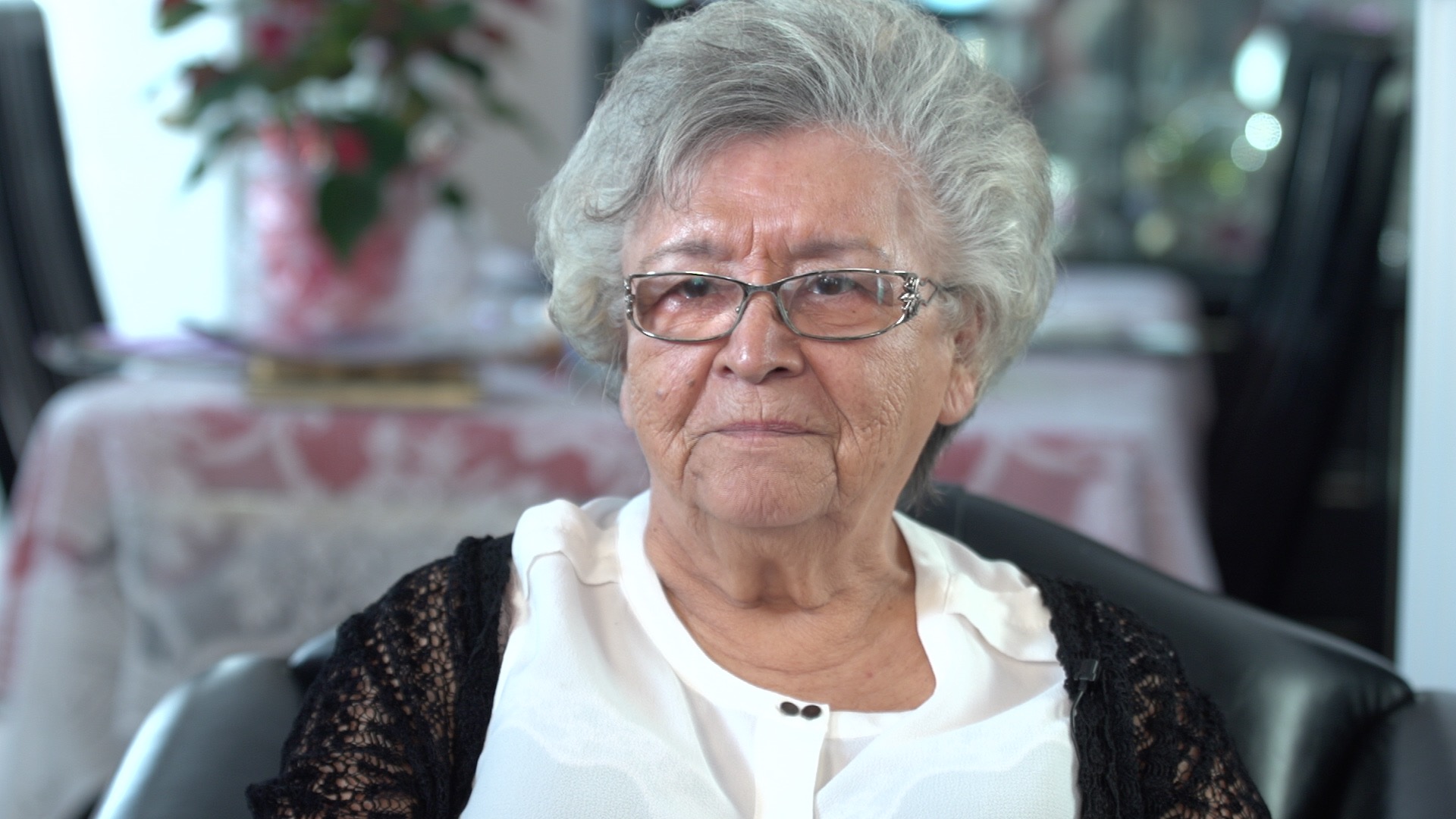
Doreen Wabasca was raised with the knowledge that we are all equal. Her family instilled this in her in her early years, and that knowledge helped her meet the many challenges of being an Indigenous woman working in the trades.
Doreen was born in 1940, in Grouard, Alberta. In her early childhood, her family lived on a reserve and she shared happy memories of being in her family’s garden and helping her father with his trade work. At the age of 8, she started residential school, which she attended from Sunday to Friday. On Friday evenings, she would return home to her family, where she could participate in community and learn skills like sewing, fishing, and hunting from her family.
At the school, she was not allowed to speak her language and she experienced and witnessed serious abuses. At age 15, she refused to return there. Doreen spent much time researching her family history and finding relations. “If we didn’t do genealogy I wouldn’t have known. That’s how come I’m so proud of Aboriginal women too, because of the history we have,” said Doreen.
Doreen’s story highlights an intergenerational experience of intersectional discrimination. She understood the abuses suffered by her family and the broader Indigenous community. She understood how the world viewed her because of that history, because of her own Indigeneity, and because of her gender. As she described, “I was alienated from my own country. You don’t do that to nobody. Sometimes I’m embarrassed for them when I think about them, the ones that called me down; I’m embarrassed for them.”
Throughout her life, Doreen worked a variety of jobs, and was always drawn to working outside and being on the move. She enjoyed working construction and loved her time working as a truck driver. But getting started was tough. “I had three strikes: I was a woman, a Native, and I wasn’t educated,” she said.
Doreen faced the worst discrimination when she came to work as a construction worker with the City of Edmonton. She had to deal with bullying and verbal harassment from male colleagues who wanted her to leave, including racial and misogynistic slurs. But she knew she deserved to be there just as much as they did: “The way I was brought up I don’t give up. I kept working, although they wanted me out of there. I cried at times too, but I didn’t say nothing to them to see me cry. I cried because I was so hurt, but I wouldn’t give up.”
She stayed and was promoted to a construction supervisor position for the City of Edmonton, the first woman and the first Indigenous person to hold such a role.
For her years of perseverance in the trades and her work to bring in more women, Doreen was honoured as a woman of courage in the workplace with an award for being a role model for other women. She expressed being proud of all the people who stood beside her and what they accomplished together: her friends, family members, and colleagues.
Doreen closes the interview with a key message: “The thing is, do not stop working for the people, I mean the Native woman. We all have rights, men and women, but defined as a man’s world… Please recognize everybody is equal when they come to your door or your school or whatever. Support them. That’s all I can say so nobody else will have that bad treatment like we did. Let’s not let that happen.”
Read the full interview with Doreen Wabasca here.
Cynthia Palmaria
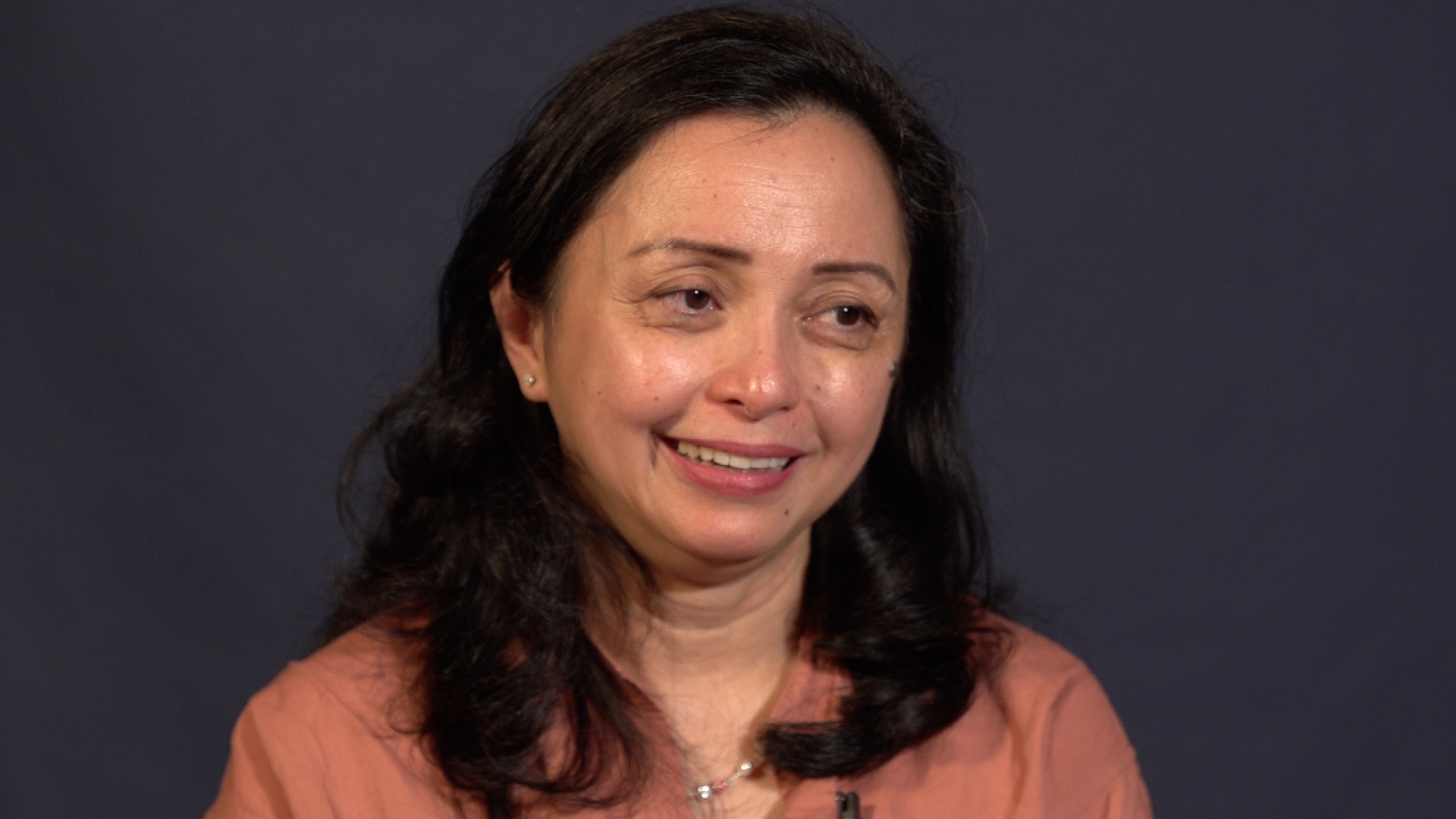
As a Filipino-Canadian community organizer and radiation therapist, Cynthia Palmaria’s journey in the labour movement illuminates the intersections of gender, migration, race, and workers’ rights.
Cynthia was born and raised in the Philippines. When she was 11, her parents were forced to leave their family and home to work as caregivers, first in Spain, then Canada, part of a global pattern where Filipino women in particular migrate to provide care labour. Like many families forced to separate due to economic hardship, Cynthia and her sister spent years apart from their parents before finally reuniting.
After studying radiation therapy, Cynthia built a career in Montreal and Toronto before moving to Edmonton in 2013. At present, Cynthia is a faculty service officer and lecturer in the Department of Oncology in the Faculty of Medicine and Dentistry at the University of Alberta. In addition to her academic and clinical work, Cynthia has become an enduring and influential advocate for migrant workers, especially women, whose labour sustains Canadian farms, households, hospitals, and industries.
In 2013, Cynthia and her husband, Marco Luciano, founded Migrante Alberta, a prairie chapter of an international movement defending the rights of Filipino migrant workers. As a community organizer, Cynthia has witnessed firsthand how Canada’s Temporary Foreign Worker Program traps workers in a system of precarious status.
Cynthia emphasizes that this vulnerability is not accidental: it reflects a broader global system in which countries, including Canada, benefit from the extraction of both labour and natural resources from the Philippines. Migrant workers are recruited to fill low-wage, precarious jobs, while mining companies profit from Filipino labour and land. Women, who constitute a large share of migrant caregivers and service workers, bear the brunt of this exploitation. Through Migrante, Cynthia has helped lead campaigns to successfully reverse deportation orders for Filipino workers, highlighting how community organizing and solidarity can challenge injustice.
Through her advocacy, Cynthia demonstrates the power of collective action and solidarity, echoing the message that migrant workers are valued and that their battle for fair treatment, permanent residency, and safe workplaces strengthens the entire labour movement. To learn more about Cynthia Palmaria and her journey in the labour movement, please visit her profile.
Find more inspiring stories with ALHI
This International Women’s Day, ALHI invites you to explore the profiles and transcripts of these inspiring women on our website, in addition to the following pages:
- 2SLGBTQ+ History in Alberta
- Black Communities in Alberta
- Indigenous Labour in Alberta
- Systemic Racism in Alberta
- Women and Work in Alberta
Here’s an inspiring speech delivered by Sandra Azocar, president of the Alberta Union of Provincial Employees, Alberta’s largest union, on International Women’s Day, March 8, 2026, at the IWD event sponsored by the Chinatown Transformation Collaborative Society of Edmonton at the Lingnan Restaurant.