
Interviews with Precarious Workers in Alberta
Webinar: Precarious Workers: Exploitation and Fightback
Booknote: Gigs, Hustles, & Temps by Jason Foster
Booknote: A Fight for Justice: The compelling story of temporary foreign workers & human rights by Joe Barrett
The Rise of Precarious Work
Jason Foster
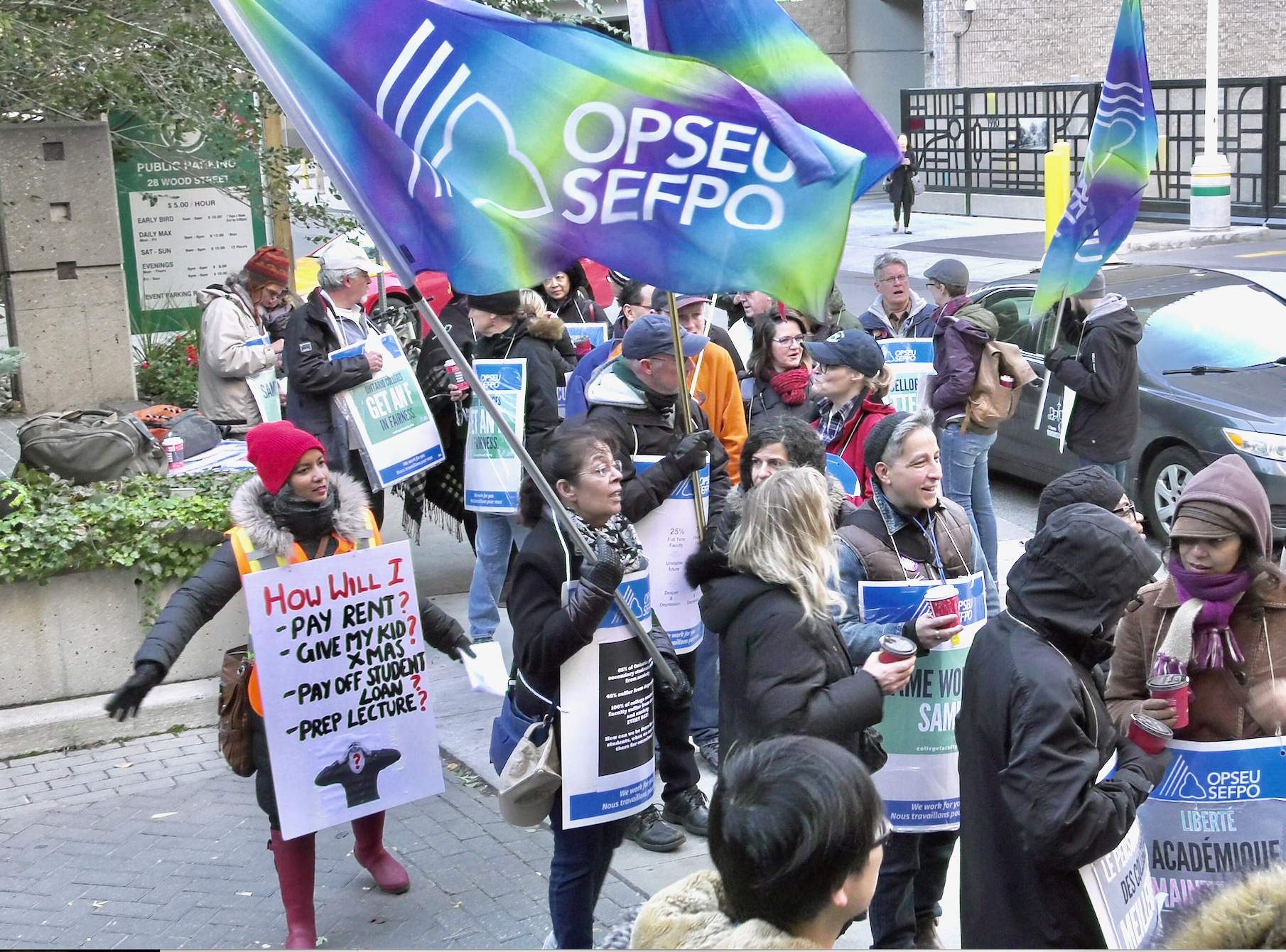
We all know bad jobs when we see them. Lousy pay, no benefits, irregular hours, unsafe working conditions. And many of us have this gut sense that bad jobs have become more common. The reality is they have. The past three decades have seen a rise in this kind of temporary, contingent, poorly valued work.
There is a term for this kind of bad job. It is called precarious work. Precarious work takes many forms. It includes part-time and temporary work, as well as the aforementioned “lousy jobs”. But it includes more than that. Broadly defined, precarious work is work that lacks the stability and security of regular work. That lack of stability and security create a vulnerability for workers in those jobs. It is that vulnerability that leads to the downward spiral of working conditions for those workers.
Today it is estimated between one-third and one-half of all workers in Canada experience some degree of precariousness. This is up from about one-quarter of workers in the 1980s (although the phenomenon wasn’t well measured back then). While the proportion of workers in precarious work has been stable over the past 20 years, it has become entrenched in our economy, often considered to be the expected type of employment for younger Canadians.
Back to the Future
In many ways, work has always been precarious. At the emergence of capitalism in the 1700s and long after, most work has been precarious. Workers never had job security, benefits or expectations of stability, no state-guaranteed employment rights or protections. There were few avenues for workers to band together to demand better working conditions. In terms of power, it truly was a master-servant relationship.
Regulation of the employment relationship only began to evolve in the first decades of the 20th century as workers forced governments to (reluctantly) curb the worst excesses of employer mistreatment. The real turning point came after World War II, when returning soldiers and Canadians more broadly began demanding a new kind of economic deal. Through protests, strikes, and voting, Canadians pushed employers and governments to rewrite the employment script. Employers provided stable, well-paying jobs that permitted workers to support their families; governments created a range of employment protections and social programs to ensure basic needs were met; and labour laws were changed to make unions part of the employment landscape. In return for these changes, workers would recognize the employer’s right to manage and cooperate in building a stable economic environment. This has become known as the “Fordist Compromise.” It was also the origins of what we call the Standard Employment Relationship (SER) – permanent, full-time employment with decent pay and benefits in a relatively safe workplace.
The rise of precarious work marks a return to those pre-World War II working conditions. In the past 40 years, the Fordist Compromise has broken down as employers seek to lower labour costs and maximize flexibility. Making workers more vulnerable through instability and insecurity is a crucial part of that strategy.
Who are precarious workers?
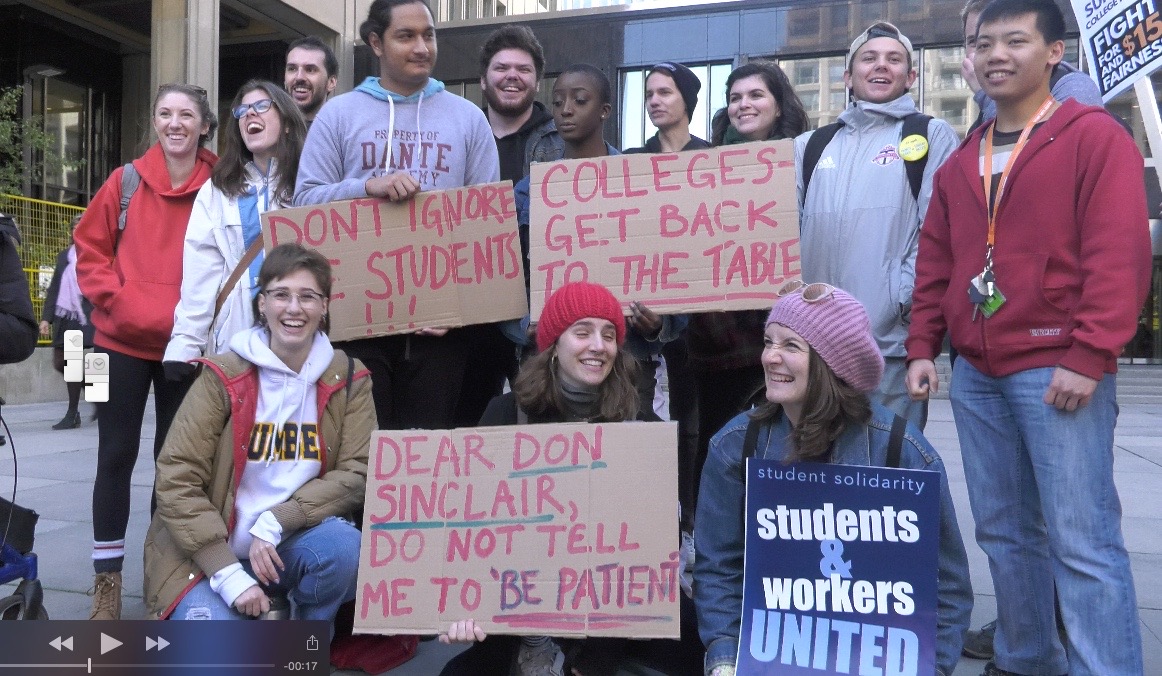
When we think of precarious work, images of Uber drivers, part-time baristas, and day construction labourers are likely to come to mind. These are definitely examples of precarious work. But precarity is not about the kind of work someone performs. It is about the conditions of that work, meaning precarious work has seeped into every sector and industry. It is not always obvious to the outside viewer.
The IT tech who has been outsourced and is now considered an “independent contractor.” The sessional instructor at a university working alongside tenured professors but doing so on term-to-term contracts at a fraction of the pay. The substitute junior high teacher who doesn’t know if they are working until a phone call first thing in the morning. The migrant worker on a two-year temporary work permit pouring coffee at Tim Horton’s. The government policy analyst who isn’t sure if recent budget cuts mean their job will be eliminated. All of these are examples of workers experiencing some element of precariousness. Some are poorly paid; some are relatively well compensated, but that compensation is unreliable or at risk. It is all precarity.
While precarious work is found everywhere, it is not equally distributed across our communities. Women, racialized workers, Indigenous workers, immigrants, and youth are more likely to be in precarious jobs. This is because in addition to the vulnerability all workers face, these groups of workers experience other barriers due to racism, sexism, and ageism. In many ways precarious work preys on workers who are already more vulnerable and more marginalized in the labour market, and thus it exacerbates existing inequalities in our society.
Causes of Precarious Work
The Fordist Compromise started to break down in the 1970s with the dual emergence of globalization and neo-liberalism. Globalization brought with it greater flows of trade and capital around the world, leading to a mass shift of manufacturing and industrial jobs from the Global North to the Global South. It also brought about financial liberalization, allowing capital to flow easily across borders. Politically, a new ideological agenda took hold that advocated for deregulation of industry, privatization of public services, and a re-imagining of the state from being a regulator of the market to being a cheerleader for unfettered capitalism.
These developments shifted the power balance that ultimately ended the Fordist Compromise. The Standard Employment Relationship was perceived as incompatible with new economic “realities.” Instead employers began looking for flexible, on-demand workers desperate enough to accept worsened working conditions, and governments rolled back social safety net protections to make workers more reliant on the market for income. Under such conditions, workers’ bargaining power eroded, and the quality of jobs along with it. It set into motion an economic and social dynamic that is still active today.
Fighting Back
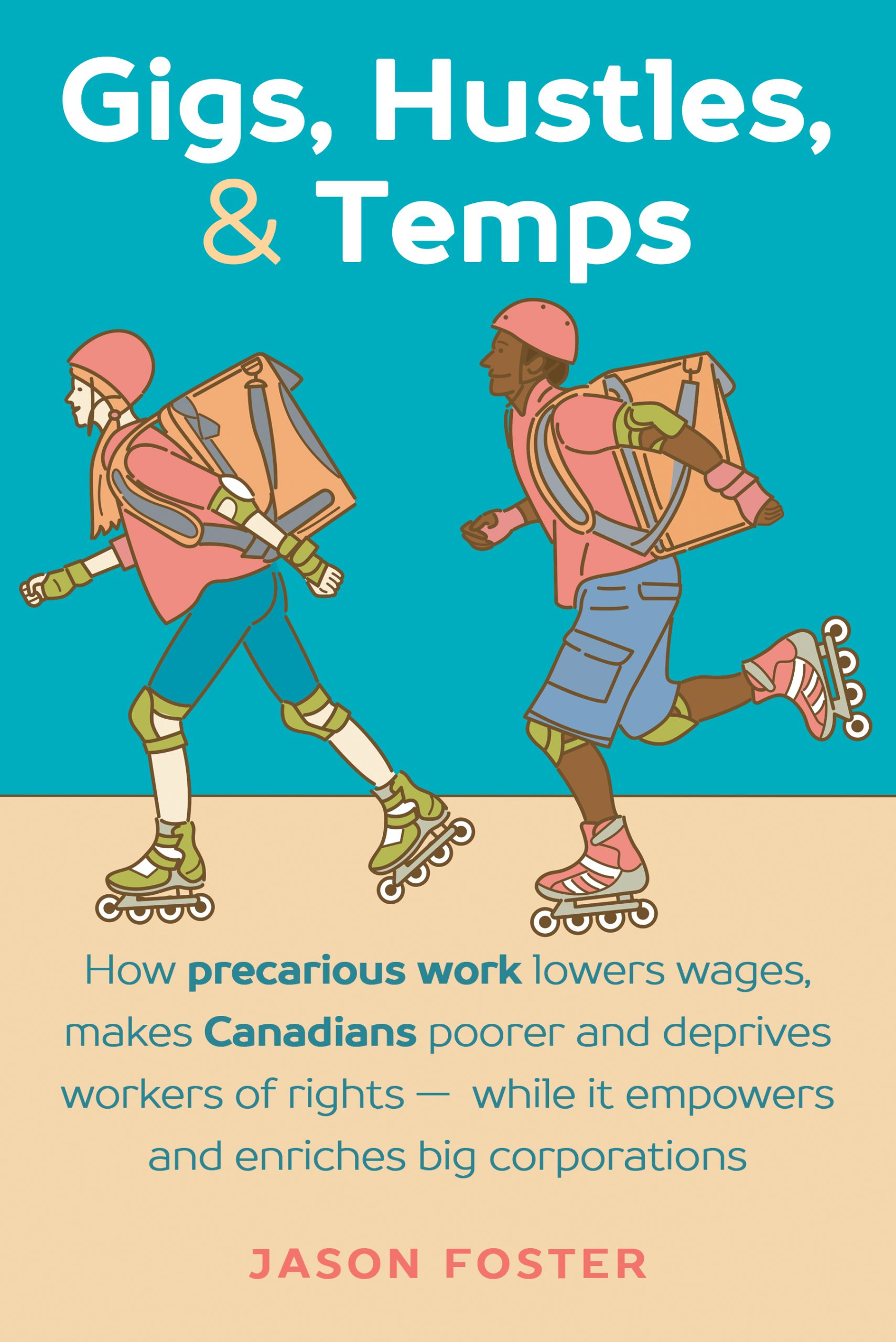
Precarious workers may be in difficult employment situations, and suffer the negative consequences of those jobs, but they do not do so quietly. Precarious workers are finding ways to fight back against these bad jobs. Many are turning to unions, as we see Starbucks and Amazon workers organizing unions across North America. In 2026, Uber drivers in Victoria, B.C. became the first app workers to negotiate a collective agreement after organizing with the United Food and Commercial Workers (UFCW). Many unions are recognizing that organizing precarious workers requires creative solutions by building flexible membership structures, offering health and other benefits as part of union membership, and reforming organizing strategies. And some workers are taking matters into their own hands. In 2018, food delivery workers in England across multiple apps went on “strike” (refusing to sign on the app) in response to an attempt to lower their pay rates. Across multiple cities Uber drivers “game” the algorithm by coordinating log-offs to trigger pay incentives (ironically using apps like WhatsApp to communicate). It is proof that whenever employers attempt to make work worse, workers will resist.