
Revolution Songs: Class conflict and character depth in the Crowsnest
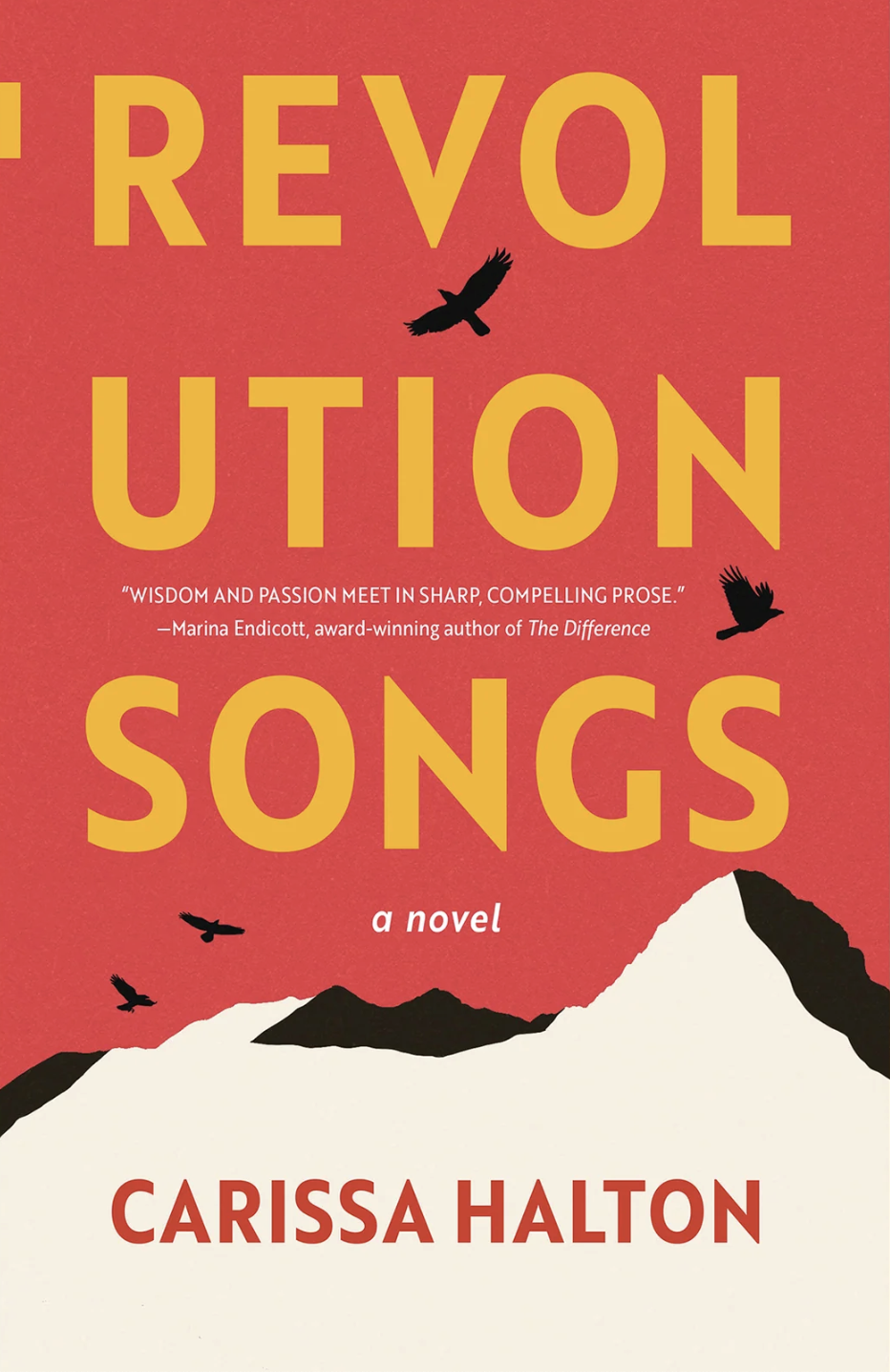
Cover image: NeWest Press
Carissa Halton’s new novel Revolution Songs brings to life the ways in which the Great Depression of the 1930s destabilized the lives of families and their communities. As capitalist crisis exposed the lack of guarantees by either employers or the state of survival for working people, communities saw a magnification of underlying class conflicts that were less intense when work was more available.
Halton’s focus is on the Jalmers, an extended Finnish-Canadian family in Blairmore, Alberta, a coal-mining town in the Crowsnest Pass. Blairmore is a dramatic choice of setting, as it was where a Communist town council was elected in 1933 during a period of heightened class conflict. It was the only town or city in North America where a majority of the electorate gave their votes to Communists.
Annie Jalmer, the central character, is the daughter of an anti-capitalist miner. Her father, Topias, led the creation of a local of the Communist-led Mine Workers Union of Canada in the local mine in 1928 to replace the more management-friendly United Mine Workers of America local. Her mother decries Topias’s radicalism as a threat to the family’s ability to survive. Annie is caught between the opposing ideologies in her household and community. While she is a working-class girl, her life is also partly in the orbit of the mine manager and his wife, which complicates her understanding of why her community is so divided and her family so poor. She becomes something of a double agent until a violent strike forces her to choose sides.
Within both her extended family and the broader community, Annie listens to strong women, many of whom are leading figures in support of the radical union, and who argue that women cannot ignore the class battle and simply tend to their families since the miserable incomes coming into their homes during the Depression make such fence-sitting untenable. She also becomes aware of the ugly forces in the community that are telling the miners, especially the Anglos, that immigrants, not capitalists, are the source of their woes. The American-imported Ku Klux Klan, which was strong in Saskatchewan and Alberta during the 1930s, becomes a divisive force even in the mining communities where they are bitterly opposed by the Communists as tools of the capitalists meant to create divisions within the working class. Those divisions weaken the ability of workers to work together to demand a greater share of the earnings of the companies that profit from their labour.
This is a beautifully written book with complex characters attempting to make sense of hard times and how society should be structured to create better lives for workers. Though it’s historical fiction and the main characters are the author’s invention, the events in the novel are based on Halton’s careful historical research. She includes actual historical figures, including the leaders of the Communist Party and the KKK in her narrative. The violent strikes described in the book are based on the actual strikes that occurred in the Crowsnest Pass, as well as other mining communities, in the “Dirty Thirties.” Readers of this book get the double gift of a good story with compelling characters, on the one hand, and a labour history lesson on the other.
By Alvin Finkel